.png?width=1500&height=600&name=Untitled%20design%20(12).png)

Most leadership teams don’t struggle with decision-making when the stakes are low.
They struggle when the stakes rise.
HR leaders, Chiefs of Staff, and executives often describe the same pattern:
decisions that normally move quickly suddenly stall. Meetings multiply. Alignment seems to unravel. Everyone waits for more data, more consensus, or one more conversation.
At Group Experiential Learning, we see this repeatedly. The slowdown isn’t caused by complexity alone. It’s caused by how teams respond to pressure.
This resource explains why decision-making slows when it matters most and what that slowdown reveals about how a team actually operates.
Pressure Doesn’t Create the Problem. It Reveals It.
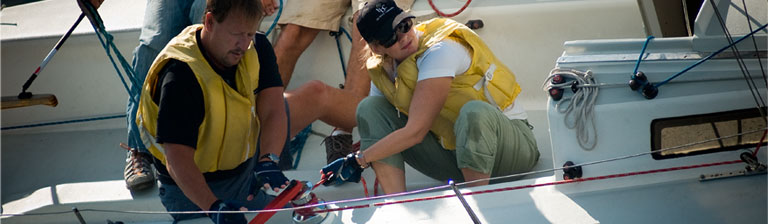 Pressure doesn’t introduce new behaviors.
It exposes existing ones.
When time compresses and consequences increase, teams default to their most familiar patterns:
- who feels safe deciding
- who hesitates
- who over-controls
- who waits for permission
What looked like alignment under normal conditions often turns out to be conditional agreement. Pressure strips away the illusion.
The Most Common Reasons Decisions Stall Under Pressure
Decision slowdown is rarely about lack of intelligence or commitment. It usually stems from predictable structural and behavioral factors.
1. Unclear Decision Authority
When it’s not explicit who owns the decision, pressure triggers hesitation.
People:
- look sideways instead of forward
- defer upward unnecessarily
- wait to see who speaks first
Under low pressure, teams can work around this ambiguity. Under high pressure, it becomes paralyzing.
2. Fear of Being Wrong When Consequences Are Visible
As stakes rise, so does personal risk.
Leaders may worry about:
- reputational damage
- political fallout
- being blamed after the fact
This often leads to:
- over-analysis
- excessive consensus-seeking
- decisions being reframed as “alignment conversations”
The intent is safety. The result is delay.
3. Hidden Disagreement That Surfaces Too Late
Many teams appear aligned until they are forced to act.
Pressure accelerates timelines and removes room for polite avoidance. Disagreements that were previously unspoken surface at the moment of decision, not before it.
The slowdown isn’t caused by conflict.
It’s caused by conflict that was never surfaced early.
4. Over-Reliance on Data Instead of Judgment
When stakes are high, teams often reach for more data as a way to reduce uncertainty.
Data is valuable. But under pressure:
- waiting for perfect information delays action
- analysis becomes a substitute for decision ownership
Strong teams know when data informs a decision and when it merely postpones it.
Why “Strong Teams” Are Often Surprised by This
High-performing teams are especially vulnerable to decision slowdown under pressure.
Because they:
- trust one another
- value inclusion
- avoid unnecessary conflict
- they often delay hard calls in the name of alignment.
Under pressure, these strengths can turn into liabilities unless decision rights and escalation paths are clear.
What Slowing Decisions Really Costs
When decisions slow at critical moments, the cost compounds quickly:
- missed windows of opportunity
- increased stress and rework
- erosion of confidence in leadership
- frustration that feels familiar but unnamed
The team may still deliver, but at a higher cost than necessary.
This is not a motivation problem.
It’s a system problem.
How Experiential Offsites Make This Visible
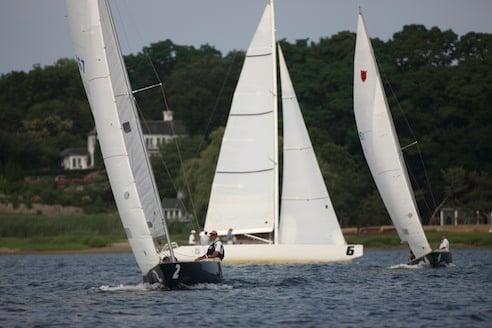 In well-designed experiential offsites, pressure is intentional.
Time constraints, interdependence, and real consequences create conditions where:
- hesitation appears
- authority gaps surface
- decision habits become visible
This is not about testing individuals.
It’s about observing team patterns in real time.
Pressure surfaces the truth faster than conversation ever could.
Turning Insight Into Change Requires Debrief
Seeing the slowdown is only the first step.
Without debrief:
- teams rationalize what happened
- leaders defend intent
- patterns remain unnamed
Structured debrief connects:
- what happened under pressure
- how decisions are made at work
- what needs to change before the next high-stakes moment
Experience creates data.
Debrief creates change.
Who This Resource Is For
This resource is designed for:
- HR leaders supporting decision effectiveness
- Chiefs of Staff responsible for execution and flow
- Executives frustrated by hesitation at critical moments
If your team moves fast until it really matters, this pattern is worth examining.
Related Resources
- What Pressure Reveals About Leadership Teams
- Why Teams Default to Old Habits Under Stress
- How Debrief Turns Insight Into Behavior Change
Each explores a different dynamic that surfaces when stakes rise.
Final Thought
Decision-making slows under pressure not because teams don’t care, but because their underlying system is being exposed.
Pressure is not the enemy.
It is information.
Teams that learn to read that information — and redesign how decisions are made before the next critical moment — move faster, with more confidence, when it matters most.
.png?width=1500&height=600&name=Untitled%20design%20(11).png)